Short Article Created By-Holme Mcfarland
Recently, developments in eye surgery have transformed the way we consider vision correction, making procedures more refined and successful than ever before. One of the most remarkable developments is SMILE, a cutting-edge laser technique designed to treat nearsightedness and myopia. With its less invasive approach and remarkable outcomes, many people are keen to learn about what sets SMILE apart from standard procedures.
For those considering corrective eye surgery, learning about SMILE is crucial. This groundbreaking procedure offers numerous benefits, including quicker recovery times and minimized discomfort compared to other options like PRK. In this article, we will explore the ins and outs of SMILE eye surgery, covering all the details from how the procedure works to its associated costs and potential side effects. Whether you're looking to get rid of your glasses or contact lenses, the path from poor eyesight to sharp vision may just lie with SMILE eye surgery.
What Is SMILE Eye Surgery?
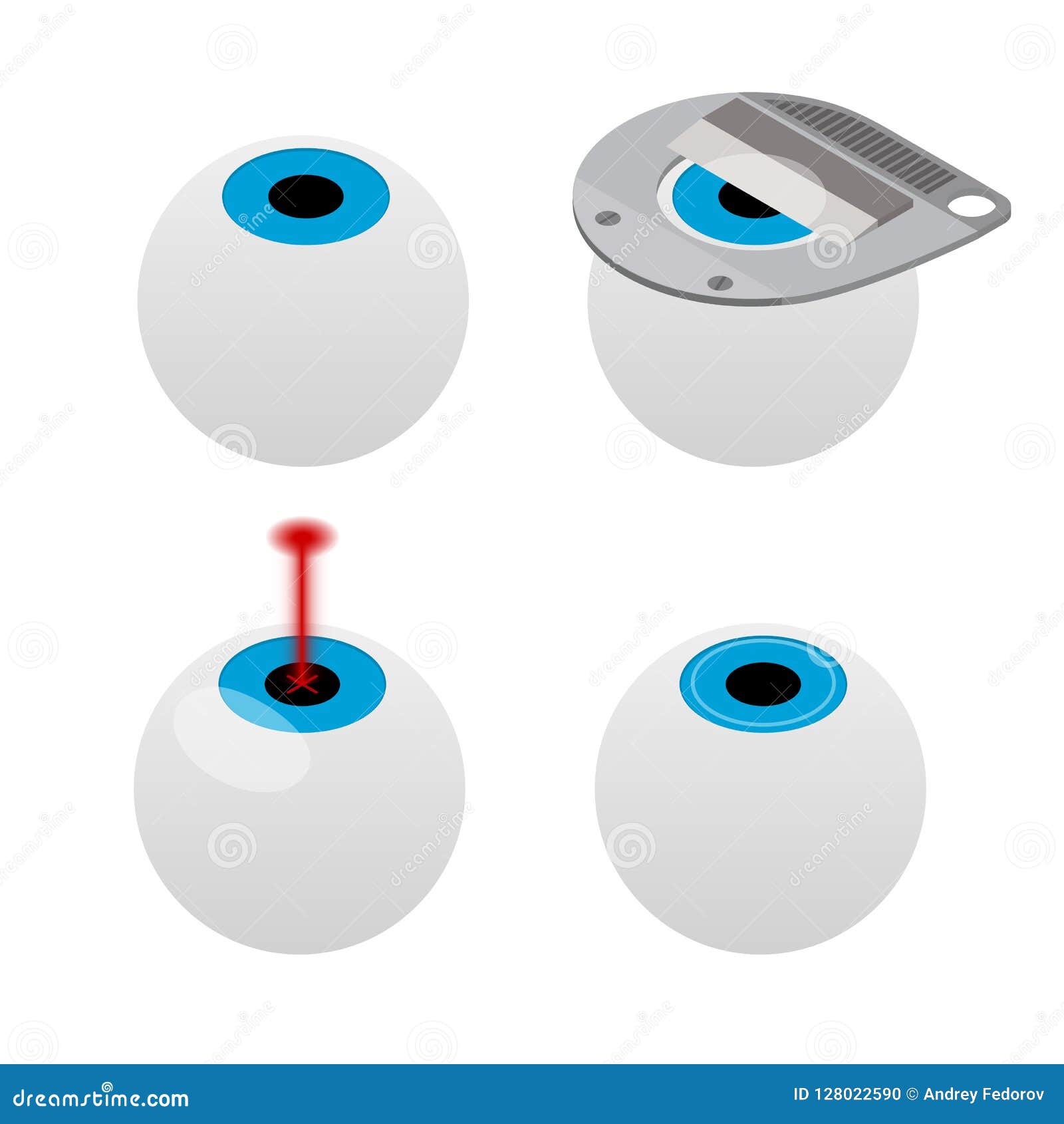
SMILE Surgery, or SMILE is an cutting-edge laser vision correction procedure intended mainly to treat myopia. This groundbreaking technique has gained popularity as a result of its minimally invasive approach and impressive outcomes. In the course of the SMILE process, a laser is employed to create a small, exact lenticule inside the cornea, which is then removed through a small incision, thus reshaping the cornea and improving vision.
Unlike traditional LASIK surgery, SMILE does not demand the making of a corneal flap, making it simpler and lowering the chances of complications associated with flap creation. The full procedure typically requires less than 30 minutes, and it is performed on an outpatient basis basis. Patients often undergo rapid recovery times, returning to their daily activities within a day or two, making SMILE a practical option for those seeking vision correction.
The advantages of SMILE Eye Surgery extend beyond its speed and practicability. Many patients claim high levels of satisfaction with their improved vision, and the technique has been shown to result in minimal dry eye symptoms relative to different laser techniques. As new innovations continue to emerge in laser eye surgery, SMILE distinguishes itself as an efficient treatment for those facing myopia, offering a direct path from unclear to crystal clear vision.
### Advantages and Expenses of SMILE Surgery
A key advantage of SMILE laser eye surgery is its minimally invasive nature. Unlike standard LASIK, which requires a flap to be created in the cornea, SMILE utilizes a small incision that reduces the likelihood of issues and maintains the cornea's structure. This leads to quicker recovery times and reduced pain after surgery for patients. Many individuals experience enhanced eyesight almost immediately and are able to return to their daily activities sooner.
When considering SMILE surgery, the costs can vary based on factors such as the surgeon’s experience, the technology used, and the location of the clinic. Generally, the cost of SMILE surgery is similar to that of LASIK, with prices typically ranging from two thousand to four thousand dollars per eye. It is essential for prospective patients to speak to different practices to understand the exact prices, as some may offer financing options or bundled offers that can alleviate the financial burden.
In addition to the immediate benefits and costs, patients should also consider the long-term benefits of SMILE surgery. Many individuals find that they achieve consistent eyesight improvement without the need for glasses or contact lenses. This can lead to significant savings over time as the ongoing expenses for glasses and contacts decrease. Moreover, the elevated patient satisfaction underscore the success of SMILE surgery, making it a compelling option for those seeking a solution to myopia or shortsightedness.
Small Incision Lenticule Extraction Vision Procedure Procedure and Healing
The Small Incision Lenticule Extraction eye surgery can be minimally invasive and usually requires less than 30 minutes per eye. During the surgery, a laser utilized to create a small disk-like piece of corneal tissue within the outer layer of the eye, which is then removed through a small incision. This technique modifies the cornea to correct nearsightedness, also known as near vision deficiency. Unlike traditional LASIK, which needs the creation of a flap in the cornea, this technique preserves the structure of the cornea, potentially leading to a lower chance of complications.
Recovery from SMILE vision procedure is typically swift and uneventful. Many patients experience enhanced vision in just a few days, with most going back to their normal activities after a week. Post-operative treatment generally involves using prescribed ophthalmic drops and attending post-operative check-ups to ensure adequate recovery. It is crucial for individuals to avoid strenuous activities and shield their vision from potential irritants during the first phase of recovery.
Overall, the advantages of the small incision lenticule extraction technique go beyond just rapid recovery. Individuals often report reduced dryness in their eyes and irritation compared to alternative laser procedures. The precision of the SMILE method can result in excellent visual outcomes, making it an attractive option for those looking for a durable solution to nearsightedness. As with all surgical procedure, talking about possibilities and expectations with a certified eye care practitioner is essential for best outcomes.
Comparison: Small Incision Lenticule Extraction vs. Photorefractive Keratectomy
When considering laser eye surgeries, two popular options are Small Incision Lenticule Extraction and Photorefractive Keratectomy. SMILE, which stands for SMILE, is a soft procedure that involves creating a small incision to remove a lens of corneal tissue. In contrast, PRK, or Photorefractive Keratectomy, involves removing the surface layer of the cornea to reshape its surface. While both procedures aim to correct vision problems like myopia, they differ significantly in their methods and recovery processes.
One of the key differences between SMILE and Photorefractive Keratectomy is the post-operative recovery. Patients undergoing Small Incision Lenticule Extraction often experience reduced pain post-operation and a quicker visual recovery, with many achieving stable vision within a few days. In comparison, PRK patients may experience increased discomfort initially and take longer to heal, as the outer layer of the cornea needs to regenerate after the procedure. Suggested Reading can result in a prolonged duration for clear vision, making Small Incision Lenticule Extraction a attractive option for those seeking a faster recovery.
Cost is another significant factor to consider. Typically, Small Incision Lenticule Extraction laser eye surgery cost is comparable to or a bit more expensive than that of PRK. Patients should weigh the advantages of a reduced recovery time and minimized discomfort against the monetary factors of each procedure. Ultimately, https://mgyb.co/s/DpVBj between SMILE and Photorefractive Keratectomy will depend on specific requirements, likes, and the specific recommendations of ophthalmologists.